 by
by 
I recently spent time with serious genius mentors of mine, ages 85-95. Each and every one of these wise elders was using AI in a variety of ways and sharing variations on “what a time to be alive!” They lamented the fact that they weren’t in the classroom making cool stuff with kids.
Contrast that with the group of high school students I overheard at an edtech conference today freely sharing how AI can’t be trusted, will destroy jobs, and may kill us all. This narrow mindness and fear, absent all experience, is a result of education.
The media is replete with accounts of teachers rejecting AI, forcing children to handwrite long assignments, and yearning for the good ‘ol days of blue book exams, textbooks, and a return to the historical abomination of computer labs.
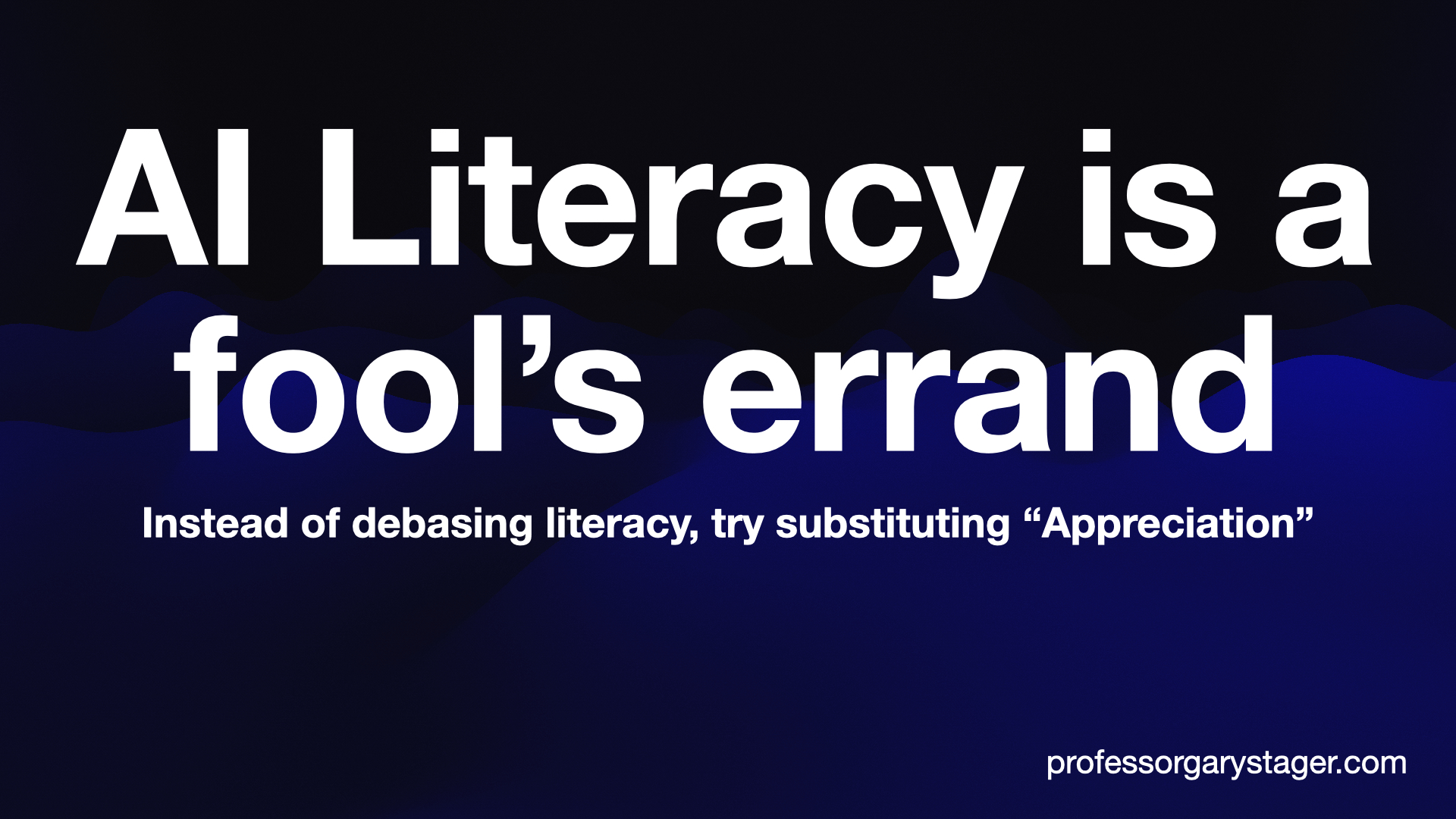
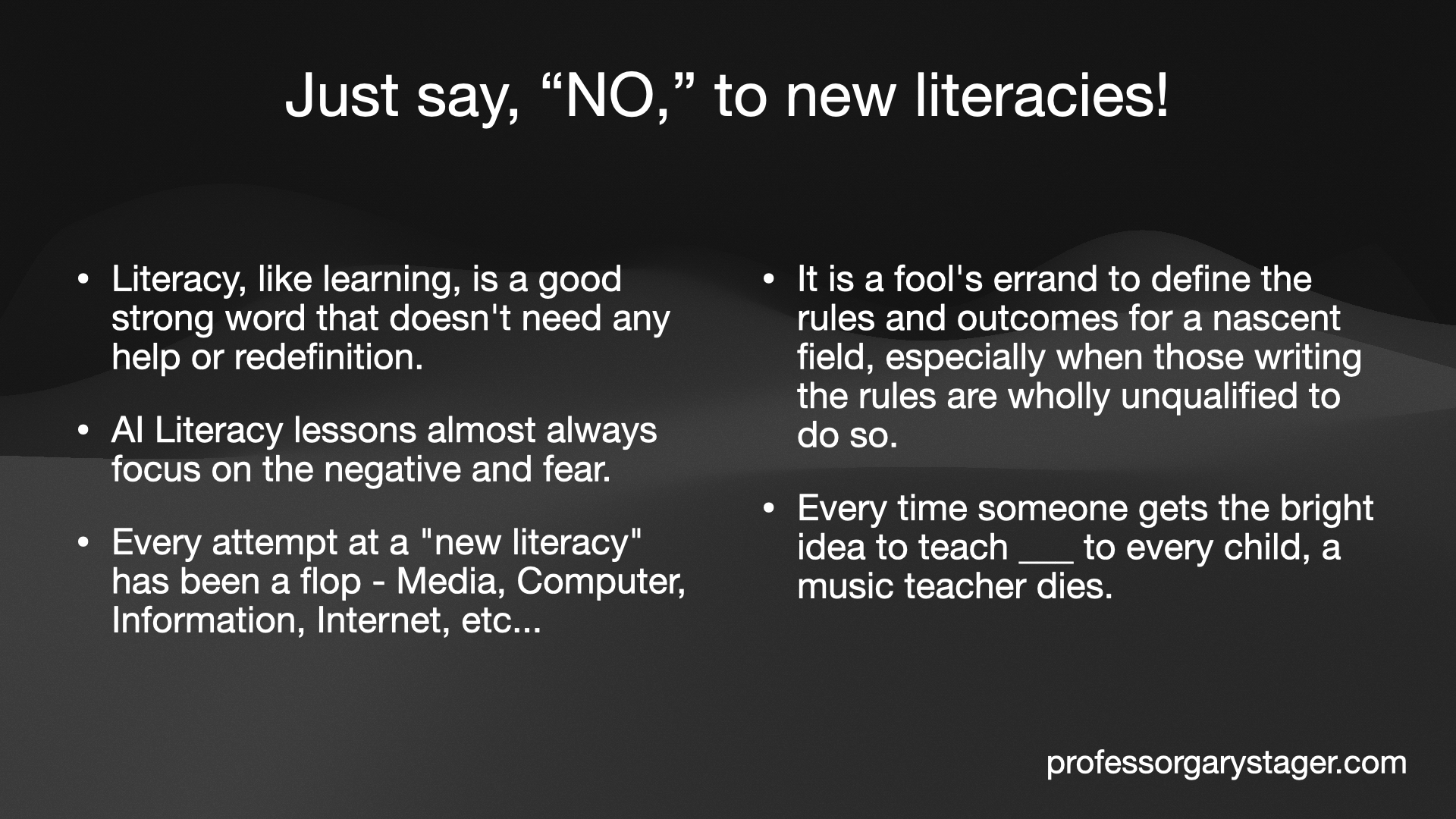
Every “AI Literacy” and lesson plans or curriculum I’ve seen, or even asked Gemini to write, is rooted in negativity – AI is bad; AI can’t be trusted; AI hallucinates. Is this just a high-tech and equally ineffective “high-tech” D.A.R.E. program?
“The scared fighter may be the best fighter, but the scared learner is always a poor learner.”
– John holt

Doesn’t the modern miracle of free and universally accessible generative artificial intelligence deserve better than Don’t Copy that Floppy lectures, circa 2026?
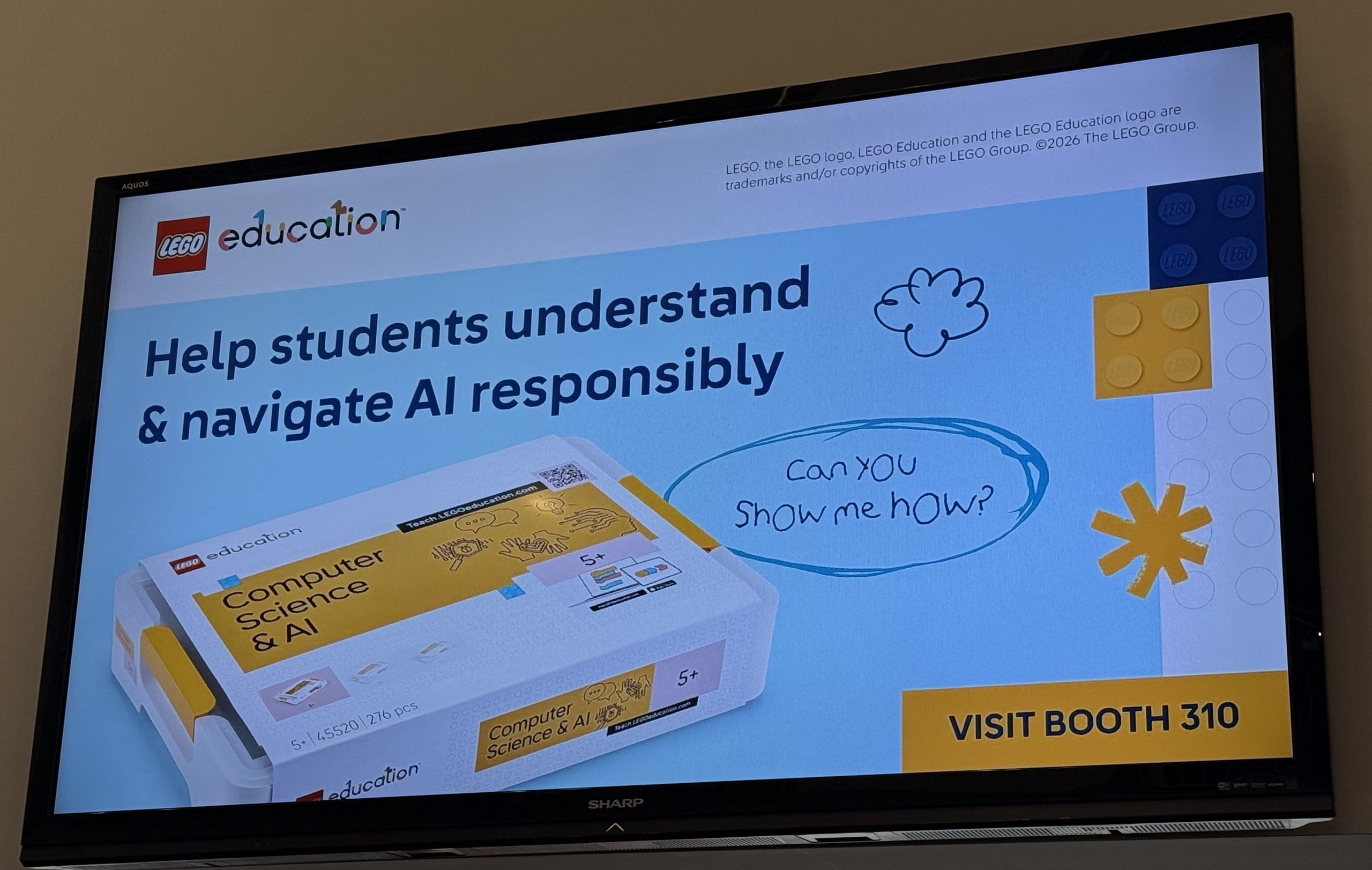
LEGO is selling a kit to “Help students understand and navigate AI responsibly.” Responsibly? Terms dripping of suspicion, like “navigate” and “responsibly” are found in the claims of many school products.
Did I mention that the LEGO Computer Science and AI set doesn’t use AI at all. It uses machine learning. Their marketing copy for educators celebrates that AI is not used in the AI education product. That’s sold as a feature.
Is it responsible to lie to children?
A humble suggestion
Sit with children. Explore generative AI and see what you can make together. You might be surprised, even delighted by the potential. Allow those experiences to shape your curriculum development based on affordances, rather than constraints.

Veteran educator Gary Stager, Ph.D. is the author of Twenty Things to Do with a Computer – Forward 50, co-author of Invent To Learn — Making, Tinkering, and Engineering in the Classroom, publisher at Constructing Modern Knowledge Press, and the founder of the Constructing Modern Knowledge summer institute. He led professional development in the world’s first 1:1 laptop schools thirty years ago and designed one of the oldest online graduate school programs. Gary is also the curator of The Seymour Papert archives at DailyPapert.com. Learn more about Gary here.